Chicago's sky line hides a lot of effort at road level. Delivery docks roll before sunup, vehicle shops light their bays at dawn, and auto parking structures cycle doors numerous times prior to noon. In in between, there is an undetectable current of guidelines that keeps everybody secure: the Chicago Building Ordinance, NFPA standards, UL listings, wind load standards, and electrical and fire-alarm integrations. Miss one component, and the door that looked penalty at turnover can fail the initial evaluation or, worse, fail when smoke and heat examination it for real.
This is where a seasoned Business Garage Door Service issues. FireKing techniques Business Garage Door Setup in the Chicago location with one goal that outlives any type of strike list, to make the door a trusted component of the structure's life safety plan, not just a moving wall surface. That implies fixing what drawings can not show, building for lakefront wind and January cool, and threading regional code analyses right into the equipment and controls from day one.
What code compliance actually means here
Chicago modernized its building regulations based on the International Building Code framework, then layered in neighborhood modifications that show the city's structure stock and environment. In practice, a certified commercial garage door should please a handful of interconnected requirements that show up on almost every project:
- Fire and smoke protection where the occupancy demands it. Openings in fire-resistance-rated dividers or barriers need a listed, labeled setting up with the proper fire-protection score and appropriate signs. For garages attached to other tenancies, you will often see 60, 90, or 180 min ratings specified. NFPA 80 regulates setup and yearly testing for fire doors. Smoke and draft control may be called for by the design team, which adds gasketing and leak limitations measured at details pressures. Safe operation and controls. UL 325 is the criterion for door operators, including kept track of entrapment security, picture eyes or edge sensors, and hands-on methods to launch in an emergency. If the door is mechanized and connected to a smoke alarm, the releasing tool must be noted for that objective and set up per the supplier's instructions. Structural capacity and wind load. The city's wind speed layout maps drive the door curtain, overviews, and support steel selection. Around Chicago, several websites design in the 115 to 120 miles per hour range relying on exposure. A rolling steel fire door or protected sectional that is not rated for the wind tons becomes a maintenance issue and a security take the chance of the very first time lake gusts press hard via an alley. Egress and clearance. Where a door belongs to a path of traveling or adjacent to one, clear opening dimensions, vision panels, and blockage controls matter. On packing docks, life safety and security likewise stays in the little details: where the pull chain ends, just how the manual launch is labeled, and whether a person can return to the structure if the door goes down on alarm. Energy and weather. The Illinois Energy Preservation Code and Chicago's amendments have teeth. Protected sectional garage doors and rolling doors with protected slats can repay swiftly in heated centers, yet the air seal package and overview weatherstripping do the genuine job versus wintertime infiltration. Add operator heating systems, cold-weather image eyes, and correct hood frustrates if the door is near open air.
Compliance is not a single code citation. It is how all of these pieces build up when an examiner walks the site with a checklist and seeks to see whether the tags match the drawings and the installment matches the labels.
Where the threats conceal in business garages
On illustrations, a garage door is a rectangular shape with a tag. In the area, that rectangular shape can be a thirty-foot opening on a gusty corner that deals with a public walkway or a seven-foot counter shutter in between a fixing bay and components office. The danger account changes with the setting.
A multi-tenant structure in River North may have a single upward-acting door that cycles 300 times a day throughout morning and evening peaks. That work hits springtimes, birthing plates, and operator duty cycle. It likewise magnifies what a misaligned photo eye can do throughout heavy traffic. In a fixing garage on the Southwest Side, direct exposures look various. You may have a rated separation in between the shop and customer lounge, with a fire door needed to self-close on alarm. Oil mist and welding nearby add the demand for proper decrease testing and recorded resetting procedures, since that door is part of the insurance coverage provider's audit trail.
Warehouse dock doors in Elk Grove Village or Bedford Park bring an additional spin. You can have 8 to twelve doors in a row, some basic protected sectionals for inbound and outbound, and a couple of rolling steel fire doors that protect the corridor to office spaces. Those fire doors must not be obstructed, should go down reliably, and has to user interface with a launching panel fed by the building emergency alarm. A forklift operator that can not see the lower bar while the door is going down is a near miss out on waiting to happen unless the strobe and horn are in the right location and the signage is clear.
I have seen simple blunders that include risk: a fusible web link hung as well close to a system heating unit, which trips at 165 levels the first time the thermostat runs warm, or a chain hoist mounted at the wrong elevation so the quickest worker shoulders the emergency situation launch on tiptoes. These are not simply inconveniences. In an occasion, they alter mins and inches that matter.
Picking the ideal door for the job, not simply the spec
Materials and devices lug trade-offs that influence safety, upkeep, and uptime. You can strike the specification and still decide that acquire service telephone calls or drags energy out of the building all wintertime. Here is exactly how the typical alternatives clean in Chicago practice.
Rolling steel fire doors fit numerous opening up protection cases in mixed-occupancy buildings. They lug labeled fire scores to 3 hours, integrate with releasing devices that link right into the emergency alarm, and, with integrated governors, they come down at a regulated rate on alarm. When picked with insulated slats and brush seals, they also execute sensibly well versus wind and cold. Their pleasant spot includes passages between a garage and occupant service locations, parking lot openings that must come to be fire-resistance-rated obstacles throughout an event, and filling doors that double as fire separation.
Insulated sectional doors offer heavy biking demands and energy efficiency. With R-values often in the mid to high teens for basic panels, plus boundary seals, they make sense in heated repair shops and warehouse. Select torsion spring cycles according to real usage. I push clients that run hundreds of cycles each day to spec 50,000 to 100,000 cycle springtimes and to allocate a midlife re-spring. For means of egress, sectional doors are seldom part of the leave path, however their security attributes under UL 325 still matter, especially kept an eye on photo eyes that can not be bypassed with tape.
High-performance fabric doors appeal where speed matters, such as active parking lot with tight ramps. They open fast, often approximately 60 inches per 2nd, reduce air exchange, and improve traffic circulation. Their fire and smoke variations exist, but not all carry the same listings as rolling steel fire doors. A design team need to work with the listing, leakage rankings for smoke, and the local Authority Having Jurisdiction's interpretation.
Security grilles and perforated shutters allow air move while discouraging accessibility. They belong at open pedestrian entries to structured vehicle parking where air flow estimations drive the layout. Fire and smoke control is typically dealt with in other places in the setting up, so they are not a catch-all solution in mixed-use structures where an identified setting up is required at a rated wall.
There is also the discussion about driver type. Jackshaft operators with chain hoists prevail on rolling doors, but in limited shafts or when appearances issue, a concealed tube motor can help. Remember tube electric motors trade service for tidy lines. In cold spaces, I such as operators with indispensable heaters and NEMA 4 enclosures near washdown or road splash areas. Despite kind, UL 325 conformity with monitored safety devices is non-negotiable.
Anatomy of a certified mount, the way we build it
Good Business Garage Door Installation begins before a tape measure touches the opening. We start with the set of license illustrations, after that stroll the site to see what they missed. Headroom and sideroom dictate what is even feasible. Architectural attachments determine whether a door vibrates itself loose in six months. Channel directing and panel locations identify whether a releasing tool will certainly go down the door throughout an alarm or sit waiting on a cord that never comes.
The job strategy reads like a choreography. Support steel or angle irons enter first, shimmed and torqued to spec. Guides or tracks go up true and plumb, with gauged discloses for brush or bulb seals. Hoods, barrel, and curtain put together on rolling steel doors so the drive side lands where service gain access to will not endanger security. On sectional doors, the track distance, backhang, and springtime shaft match the opening and cycle demands. Electrical contractors route committed circuits and low-voltage lines to the driver and launching panel without chasing them around a hot flue or cooling agent line. At the end, identifies remain visible, the drop speed is confirmed, and the operator's logic is programmed to the structure's rules.
Here is the compact checklist we make use of to keep life security front and facility at turn over:
- Fire score label photographed and logged, matching the plans. Releasing gadget tested on alarm, drop speed confirmed, and reset recorded per NFPA 80. UL 325 entrapment defenses calibrated and fault-monitored. Wind tons and architectural supports validated against submittals, bolt torque recorded. Signage, draw terminals, and guidebook releases placed at obtainable elevations with clear sightlines.
Those five factors catch a lot of the misses we see after other teams do a quick mount. They also create the foundation of the turnover packet that oils the path for inspections and insurance coverage audits.
Three Chicago stories that discuss our approach
A distribution hub near O'Hare swapped out two aging fire-rated rolling doors that divided the dock from the finished-goods hallway. The initial doors were hefty, manual-only systems that no one wished to test. Inspections turned into strained mid-days. We changed them with mechanized, classified 3-hour doors with governors and electrical releasing devices tied right into the center's FACP. Door dimension was 14 feet by 12 feet, with shielded slats and guide weatherstripping. We included local horn strobes at each side and an annunciated push-to-open after drop, coordinated with the fire security engineer. Throughout commissioning, the plant supervisor viewed a complete decline test from initiation to reset. The reset treatment took under four minutes. A year later on, their NFPA 80 annual test log shows absolutely no failures, and their insurance coverage carrier noted the improvement in the loss-control report.
On a tight alley in Wicker Park, a mixed-use structure needed a peaceful, reliable garage door for occupant car park that would certainly not deal with the wintertime wind. An insulated sectional with a 25,000 cycle spring would have functioned, however traffic matters from the apartment board showed 200 to 300 cycles daily. We upgraded to a 75,000 cycle springtime set, installed a silent jackshaft operator with a warmed control unit, and worked with a draft quit detail at the lintel to shut a pesky 1-inch space most individuals miss out on. The driver's soft-start ravelled early morning actuations, and the power loss with that opening went down significantly. The building designer called the first polar vortex after turn over and said, merely, the entrance hall is warm for the first time in years.
A vehicle service center in the West Loophole had a seven-foot opening from the bays into a customer care workdesk, drawn as a ranked wall. The wrong item, a fundamental counter shutter without a tag, showed up from a previous vendor. Their license review flagged it, and the job stalled. We gauged, got a labeled fire-rated counter door with a 90-minute tag, and installed a small launching panel that tied nicely right into the existing tamper and waterflow circuits with the fire alarm specialist. The area was limited, so we fabricated a tidy angle framework to stay clear of drilling right into the demising wall surface's studs, which the engineer wanted unblemished. We then trained team to reset the door after a drill. The fix moved the project off redline and made a tidy last on the very first re-inspection.
Maintenance that really protects people
A door is not compliant if it can not pass its very own test a year from now. That is where thoughtful Business Garage Door Service and Commercial garage door fixing maintain safety and security. The service strategy must show usage, atmosphere, and code. A cool street door that sees salt spray and freeze-thaw needs a different touch than an indoor counter shutter.
NFPA 80 needs annual assessment and testing of fire doors, including a decline examination and recorded reset. During these sees, we look beyond the type. We check the fusible link area versus warm sources, validate the governor releases efficiently, and ensure the releasing gadget reacts to the smoke alarm control panel. For mechanized doors, UL 325 logic and kept an eye on safety gadgets must be verified more often, especially if occupants or staff members have access to controls and could tape an image eye to "make it through the early morning rush." That quick repair can become a responsibility if a person or a car comes to be the blockage the gadget falls short to detect.
Here is a straightforward maintenance rhythm that maintains most industrial garage doors reliable via Chicago seasons:
- Monthly for high-cycle doors: aesthetic inspection, track and guide cleaning, photo-eye examination, and handbook release exercise. Quarterly: torque examine anchor screws, chain and sprocket inspection, spring or barrel set screw confirmation, and lubrication where applicable. Semiannual before and after winter: seal evaluation, driver heating unit function check, and hood or canopy cleaning to stop ice buildup. Annual: NFPA 80 decline test for rated doors, complete operator logic confirmation, and documents packet upgraded for the AHJ and insurance. After-impact or alarm system occasion: immediate evaluation, components replacement if deformed, and supervised reset with sign-off.
That cadence minimizes surprises. It additionally turns a garage door repair work visit right into organized work instead of an emergency situation telephone call that stops procedures at 7 a.m. On a Monday.
Winter, wind, and the reality of Chicago openings
If you have actually ever viewed a door adhere a dock plate overnight, you comprehend why we consume over lower seals and threshold information. Chicago wintertimes push on every user interface. We define PVC or EPDM seals that continue to be adaptable below zero. We include warmed photo eyes where fog and frost are common. On doors near the lake, we pick stainless or galvanized hardware to outlast the brine that accumulates in slush. In streets that become wind passages, we tighten up overview interaction on rolling doors, pick wind locks appropriately, and consist of anti-sail hardware on sectional doors. It is not exotic. It is simply years of enjoying what impacts loose initially in February.
Sensor positioning matters in cold weather as well. Photo eyes aimed directly throughout a busy approach lane get knocked or occluded. We place them a little bit greater, in secured housings, and route the circuitry in stiff conduit where hand trucks and pallet jacks roam. When doors open up to the street, we tune close timers and automobile discovery so idling shipment vans are not pumping warmth out of the building while the driver waits on a command that never comes.
Permitting, submittals, and working with the AHJ
Commercial garage door installment touches permitting more often than proprietors anticipate. Several fire-rated doors need submittals that consist of UL listings, shop illustrations, wind tons information, and sometimes a professional designer's stamp for add-on information. In Chicago and the near suburbs, the Authority Having Jurisdiction may request for a series of operations narrative that demonstrates how the door acts throughout power loss, alarm initiation, and manual override. We prepare that narrative in simple language and consist of panel areas and cord courses the assessor can see in the field.
Coordination with the fire alarm contractor conserves days. The releasing gadget desires a supervised set from the FACP, and some panels desire end-of-line resistors in particular areas. We map that out early, tag both sides of the wire, and leave a laminated diagram near the gadget. When the alarm tech turns up, the task goes quickly. When they do not, we can still demonstrate a tidy regional drop making use of the thermal web link and the gadget's very own test button, with labels facing out for a fast photograph in the report.
Cost, downtime, and the math of much better choices
Owners do not buy doors for the happiness of it. They purchase uptime, power cost savings, threat decrease, and a less complicated relationship with inspectors and insurance. The mathematics functions when you track lifecycle expenses. A high-cycle spring set might include a few hundred dollars at set up and save thousands in labor and wasted time over 5 years. Shielded slats or sectional panels can drop power loss via a big opening by a surprising margin, particularly in warmed repair shops, where infiltration is the bad guy greater than conduction. Also a small upgrade, like kept an eye on image eyes that can not be defeated without a mistake, can protect against one accident payment that towers over every service billing for a decade.
Downtime has a genuine expense. A warehouse with eight anchors loses ability when a door jams. A car parking structure that can not open at 6 a.m. Sends out renters to street auto parking and home monitoring right into apology mode. We construct service right into the work. That can imply picking a common driver over a boutique design with a three-week component lead time, or leaving a little bit a lot more accessibility area around the drive side in a confined bay. Owners see the value the first time a professional repairs an issue in hours as opposed to days.
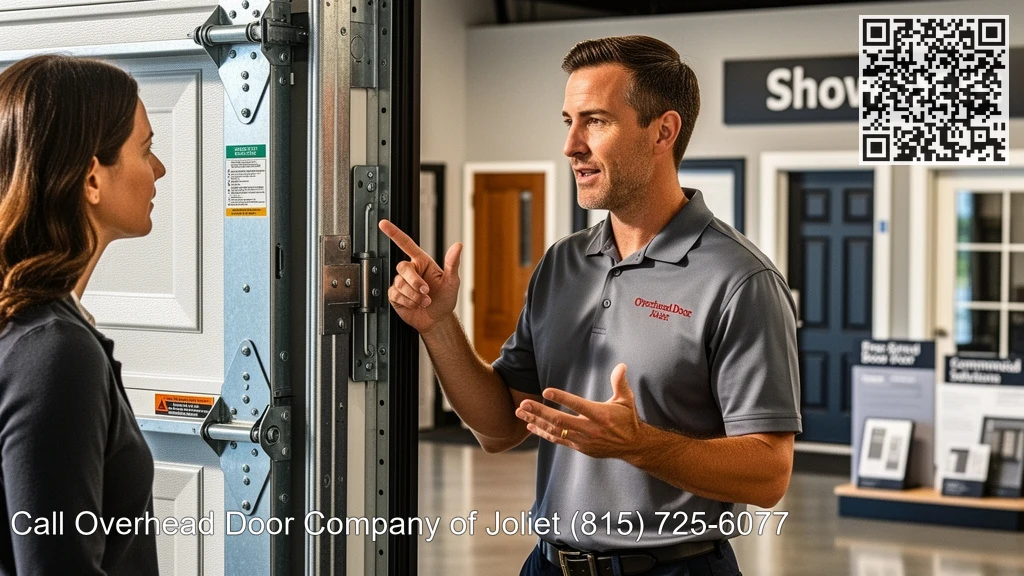
How FireKing companions from very first stroll to last test
We reward every Commercial Garage Door Solution interaction as a project with a clear arc. It starts with a walk-through and a conversation concerning how the room really works. Traffic counts, change adjustments, temperature established points, and nearby risks notify the item choice. From there, we create submittals that answer the typical code questions straight: tags, wind tons, UL 325 conformity, NFPA 80 installation notes, and an electrical wiring representation for the releasing device.
On set up day, our teams turn up with hardware that matches the authorized illustrations, not what happened to be on the vehicle. We coordinate lifts and lane closures, protect finished floors, and keep a neat job area so procedures can proceed. For rolling fire doors, we present the drop examinations when stakeholders can watch, then we instruct resets to individuals who will be on website long after the bow is reduced. We leave a turnover package with photographs of tags, torque logs, and test results. That packet has finished more disagreements with inspectors than any kind of speech ever before could.
After handoff, we guarantee the deal with receptive garage door repair and preventive maintenance. If an operator journeys a mistake at 5 a.m. In January, we understand specifically which device you have, which reasoning it runs, and where its parts stay in our inventory. That degree of detail originates from treating each job like a living system, not Overhead Door Company Joliet Garage Door Repair a one-off sale.
Bringing all of it together
A safe, compliant, hard-working garage door in Chicago is the sum of lots of little choices. The code citations matter, but so do the winter months seals, the wind locks, the operator heating system, the placement of a horn strobe, and the label you can in fact see when an assessor bends under the hood. FireKing lives in those decisions. We do Commercial Garage Door Installment that values the letter of the code and the daily work of the city. We back it with Business garage door repair that keeps doors ready to do their job on normal Tuesdays and on the day when smoke, warmth, and people's lives evaluate the system for real.
If you are intending a new garage door installation, updating a mixed-use structure for much better splitting up, or hunting for a Garage Door Service partner that knows why examiners bring flashlights to seek tags under hoods, bring us the problem. We will bring the tape, the criteria, the lived experience, and a group that takes pride in the noise a correctly tuned door makes when it lands level, seals tight, and stands all set for its following cycle.
 Ask ChatGPT
 Ask Grok
 Ask Perplexity
 Ask Claude
 Ask Google AI
 Ask You